Fact Sheet
The concept of privacy doesn’t exist on the islands where Tomodachi Life: Living the Dream takes place. All characters are under 24-hour surveillance and make life-altering decisions only after consulting with the all-seeing player. Initial homes resemble barracks. Everybody can visit and chat up everybody. Conflicts only occur once characters grow close enough to care.
Living the Dream argues that acting is not necessarily reacting. Every day I get in, there are new items to shop, a news broadcast to watch, a dozen or so islanders with requests. But the meat of the game isn’t in how the player reacts, rather, it’s in how curious the player gets.
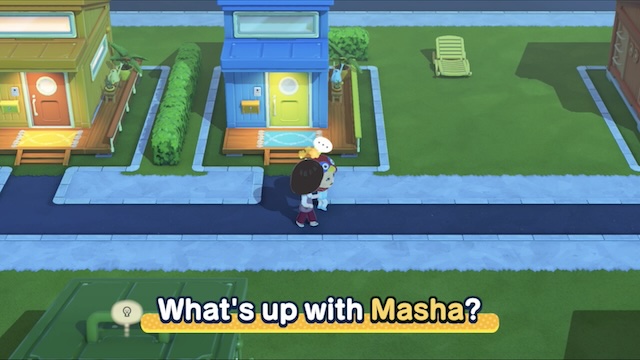
The events that follow usual requests appear repetitive. Arguably, it’s an intentional part of the game’s approach to comedy, and once I’m in on the structural joke, I knowingly construct absurd chats. And then, my parents accidentally move in together because they really like “arguing”, and a news story follows to confirm they were together in real life.
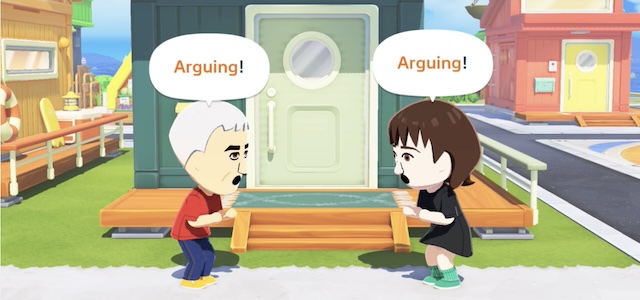
And then, once I start following Miis, I notice something. The best things in Living the Dream happen when islanders don’t know I’m watching. When they chat at a restaurant, and suddenly the combination of characters and keywords clicks.
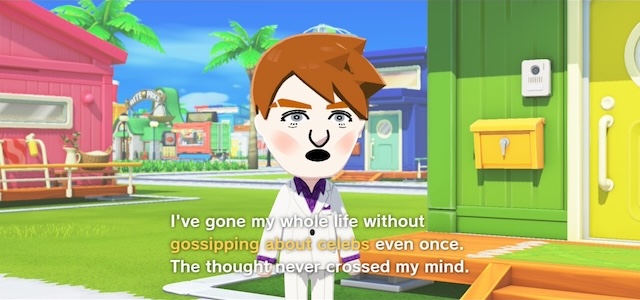
When they’re just walking, minding their own business, and suddenly notice how a huge seashell is following them. Or when they make an off-hand remark about how Playboi Carti and mosh pits changed their lives.
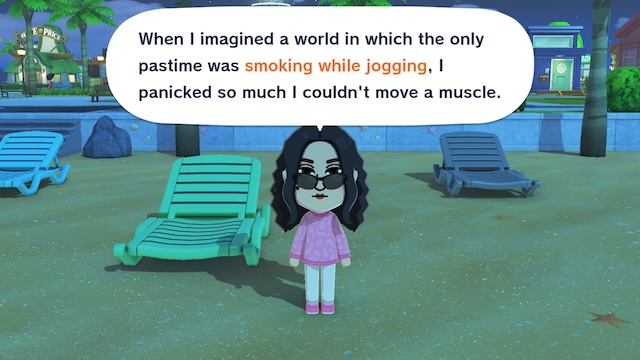
If I play Living the Dream as a daily task list, I get bored and close it. Once I play it as a total creep, the game opens up in surprising ways and I notice small details I’d miss if I was just reacting. It’s that rare game that gives only once you’ve committed to it, and the more you commit, exponentially more it gives.