Fact Sheet
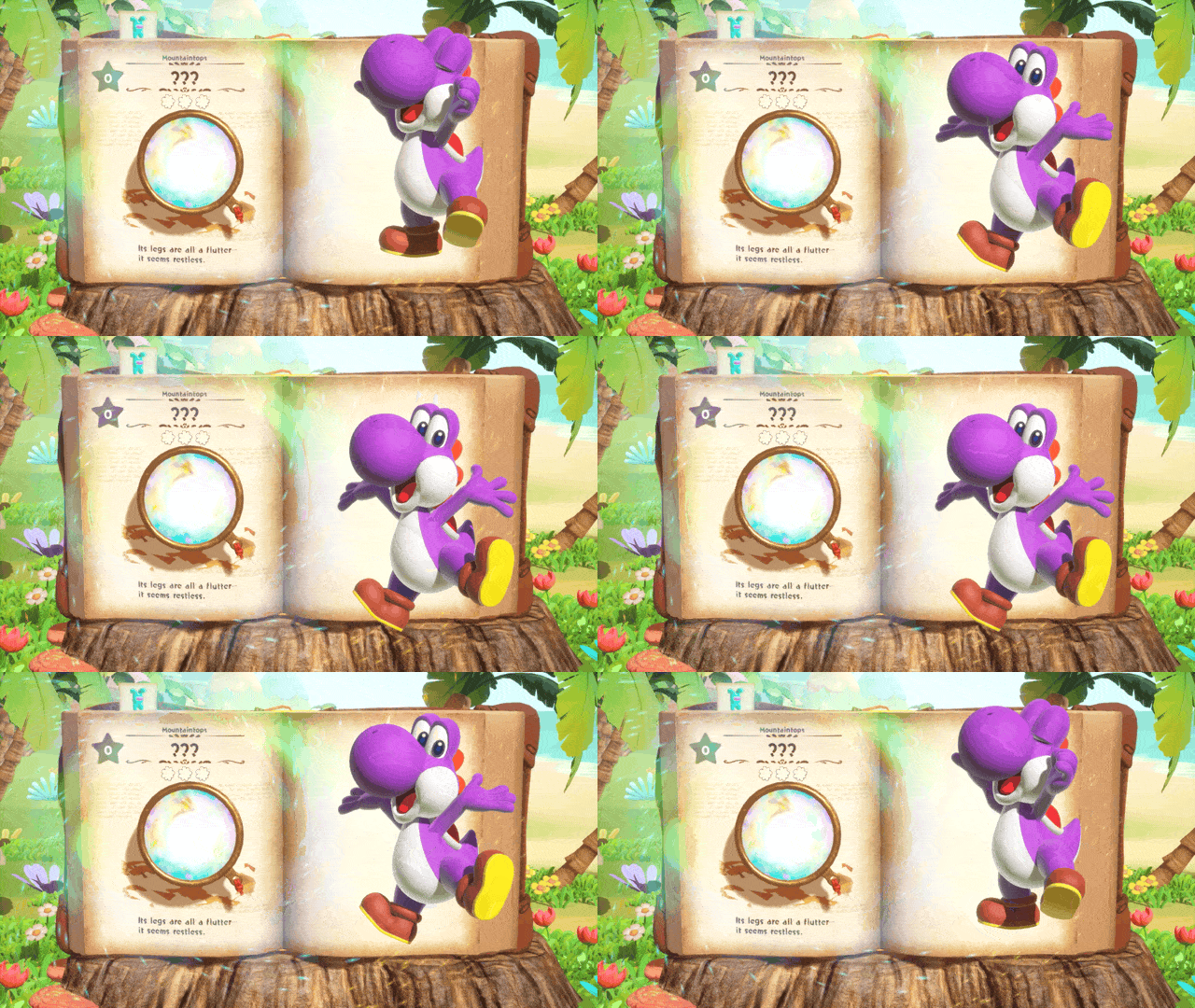
In the Mysterious Book, Good-Feel’s latest pitch for a fresh mechanical identity of Nintendo’s underserved mascot, Yoshi looks at the player briefly before jumping into the picturebook.
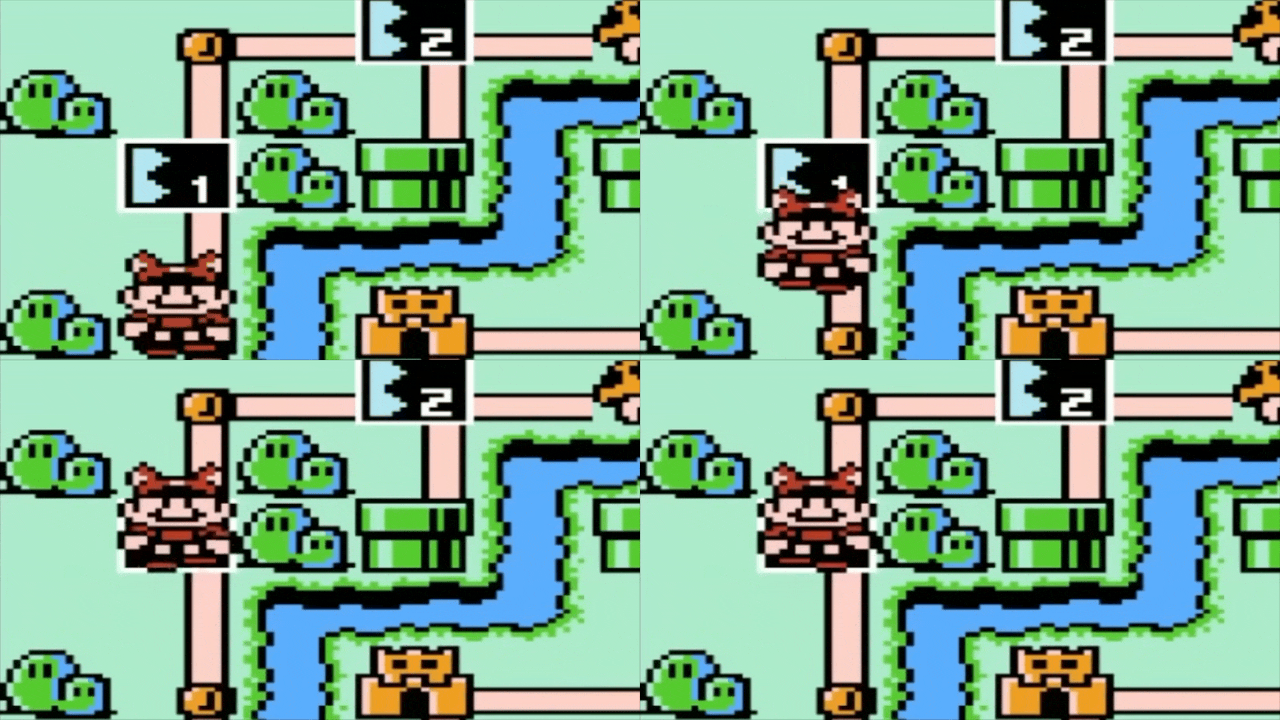
This is nothing new for Nintendo platforming mascots: Mario has been doing it at least since Super Mario Bros. 3. Back then, it was just the way his sprite was laid over the world map.
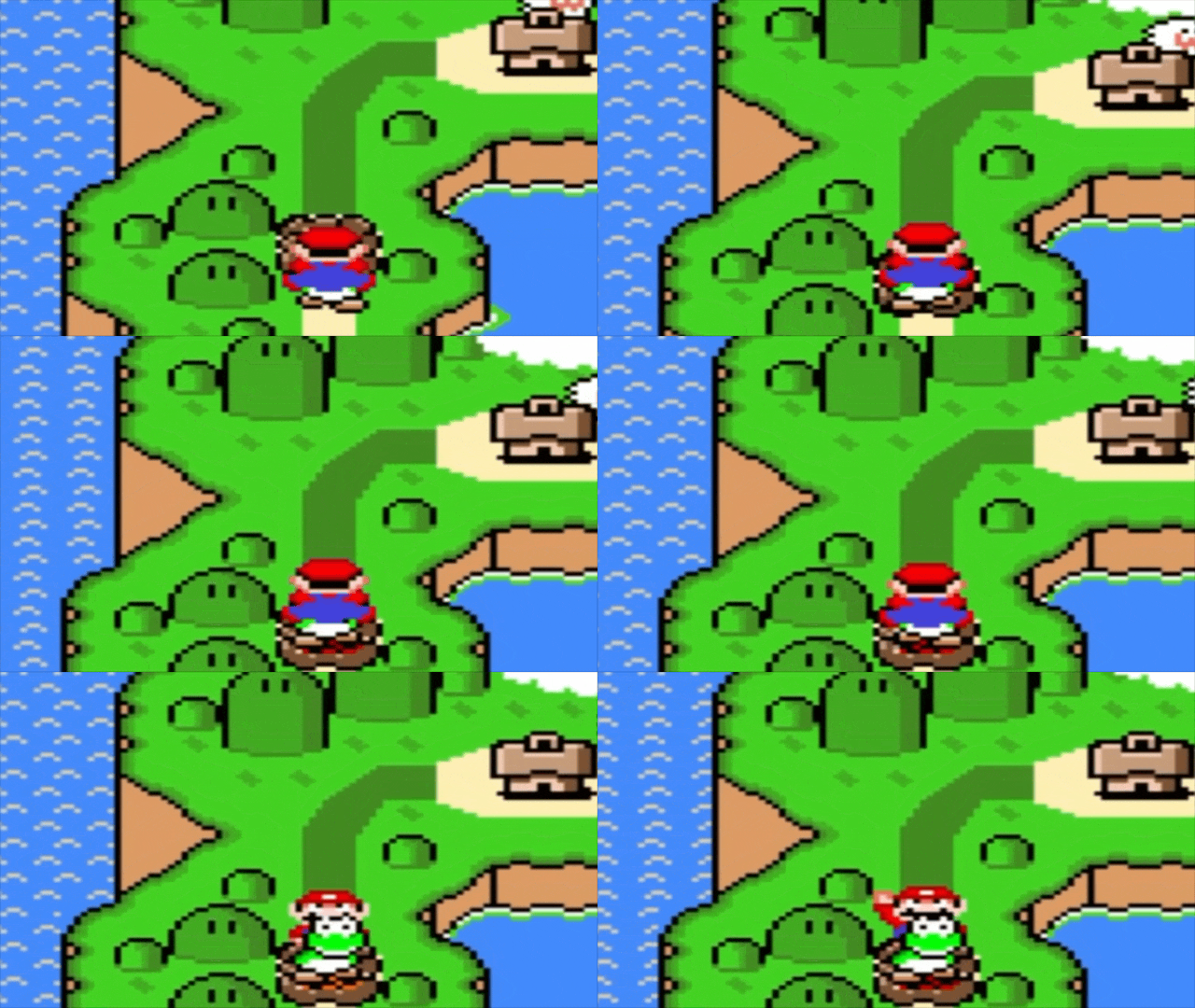
Come Super Mario World though, and Mario was not only joined by Yoshi but also shown from all sides and even raised his hand to indicate the upcoming transition from the world map to the next level.
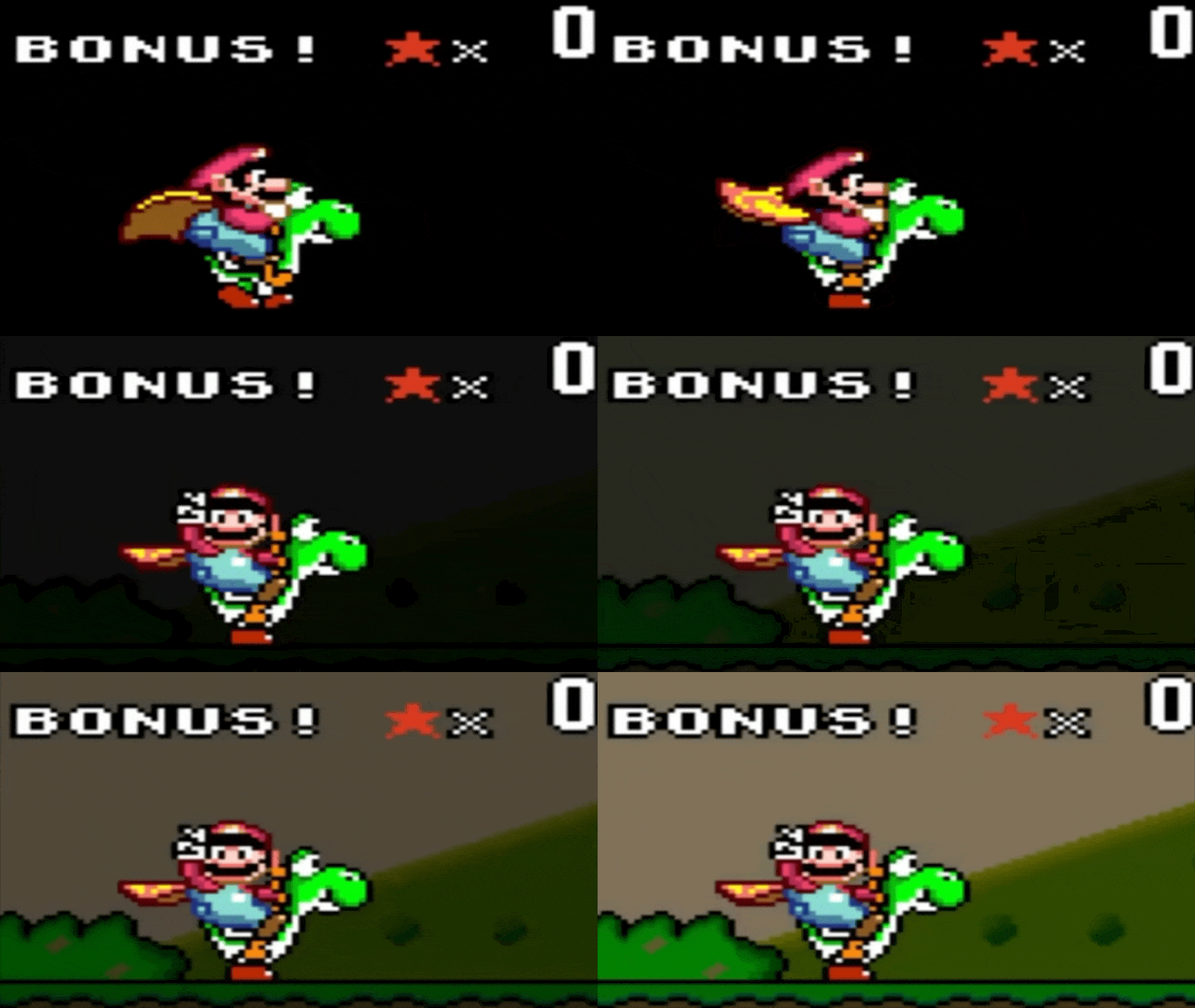
This wasn’t the only player-facing animation novelty in World. At the end of each level, Mario would also show a peace sign in sync with the last note of Koji Kondo’s celebration phrase.
The celebration animation survived the transition to 3D and turned into progressively more expressive dances. In Super Mario 64, it made in-game sense, given how Lakitu was in control of the camera. Is there really a point in breaking the fourth wall three decades later?
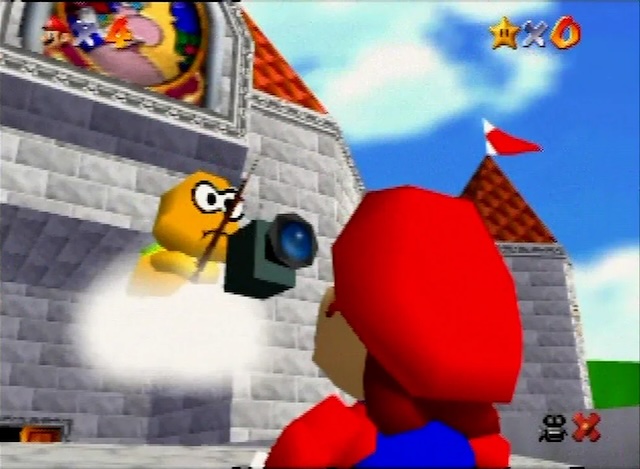
- Absolutely. The animations act as anchors:
- in the beginning, to indicate the transition in game states,
- at the end, to reward the player with a release of tension.
And then there’s another explanation, likely not intended, just the way things end up intertwined in thoughtful game productions. In a 2015 Game Informer interview, Shigeru Miyamoto explains why Nintendo characters may be antagonized in one game only to remain friendly rivals in another. He likens their approach to old cartoons such as Popeye or comic books where characters change their roles depending on the story:
Shigeru Miyamoto to Game Informer “It’s more like they’re one big family, or maybe a troupe of actors.”
Yoshi deserves a more premium treatment, sure, but he remains an integral part of that family of actors, and it makes sense for him to look at the audience. There’s no fourth wall to break: every level is an act of play, and the actors never pretend they aren’t on a scene in front of an audience.


