Fact Sheet
- Original Title
- Orbitals
- Genres
- 3rd-person Action
- Co-op
- Release Date
- September 3, 2026
- Length
- HowLongToBeat: XX-XX hours
- Reviews
- Eurogamer: 3/5
- OpenCritic: 82/100
- Creators
- Developer: Shapefarm
- Publisher: Kepler Interactive
- Platforms
- Switch 2: Digital / Physical
Orbitals is the kind of game which developers dream to make but never manage to even come close to start producing. Whether it’s fishing or gardening, Detroit techno or classic anime, everybody has a particular passion which commands a huge part of their life and identity. And where there’s passion, there’s always something to learn, because let’s face it: games that only borrow from other games are destined to creatively decay. And while borrowing from anime has been its own creative decay in some ways, when it comes to classics, it’s still underexplored. Orbitals looks both old-school and fresh for a reason. So what’s in there for game developers?
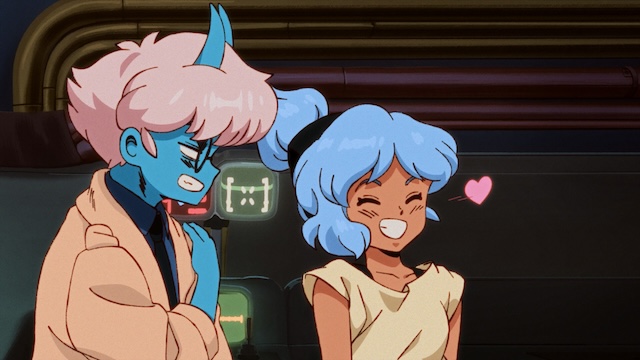
Imperfection Is Lovable
Technical mastery is not the ability to do something perfect, it’s the ability to do something so well that imperfections shine. The Rule of Contrast is inescapable: a game of stunning highs and abysmal lows will be much more memorable than a straight line, even if it stays closer to the sky than the ground. That’s just how perception works in practically anything, from relationships to art, and instead of fighting for everything to be “fine”, it’s wiser to invest in a few aspects that turn out incredible.
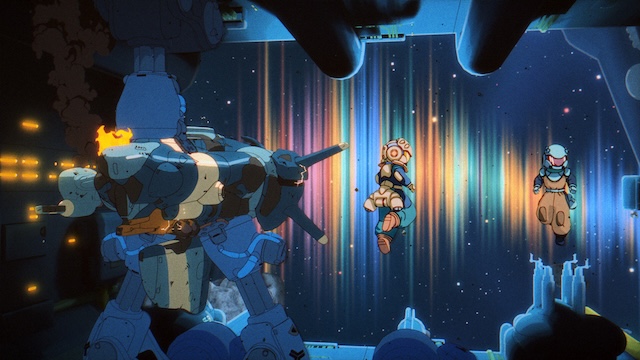
Physicality Is Beneficial
Classic animation look is all about how light bounces off different materials. Whether it’s paint, cels or just paper, there’s something special about the diffusion they produce that I, as a primarily not visual person, can’t correctly put in the words but can readily compare to how vinyl record enthusiast talk about sound warmth. The closest video game metaphor is physicality in controls: the immediacy of basic actions and animation cancellations, vibration feedback and playful interactions with no purpose, everything to do with input really.
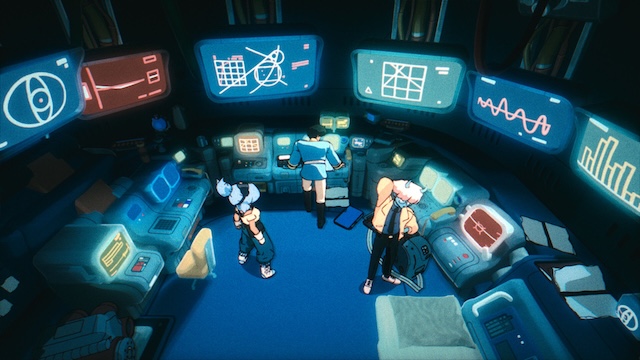
Self-acceptance Is Mandatory
Modern anime grew to often dislike itself in ways modern games still run a confidence issue. In contrast, classics let themselves be classics without trying to be more than the medium could handle. It’s as if they don’t feel bad about being fun instead of meaningful, even though fun is full of meaning. But fun can also be stupid, and there’s nothing wrong with being stupid, it’s a part of play at the same degree as it’s in music and theatre. Don’t run away from being a video game, use the medium’s nature as a starting point to explore, including all the stupidity it brings along.


