Fact Sheet
- Original Title
- Marathon
- Genres
- Extraction shooter
- First-person shooter
- Release Date
- March 5, 2026
- Length
- HowLongToBeat: 12.5-30 hours
- Reviews
- Edge: 9/10
- Eurogamer: 4/5
- Gamespot: 9/10
- OpenCritic: 81/100
- Creators
- Developer: Bungie
- Publisher: Bungie
- Platforms
- Microsoft Store: Digital
- PlayStation 5: Digital
- Steam: Digital
- Xbox Series: Digital
There are two schools of climbing ladders in gaming. The old school has automatic climbing by colliding with the ladder: until I get up or drop down, I only move vertically. The new school asks me to approach for a button prompt, press or even hold it, and only then play the transition animation to change the character state. The old school makes the movement more fluid but leads to occasional movement hiccups, the new school makes the interaction more experiential, with the proper climbing hand animation, at the expense of my fluidity and mobility.
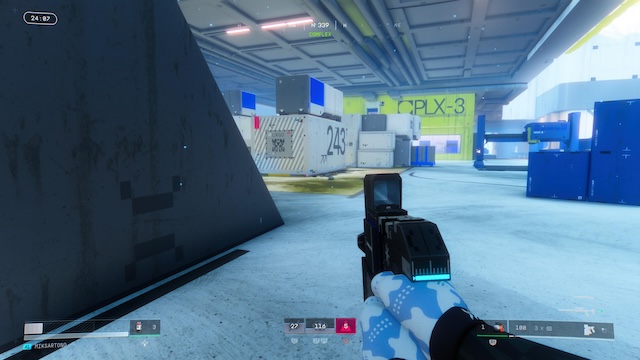
So what’s better? Bungie, the studio that has been producing the best first-person shooter game feel for decades, doesn’t feel like answering the question and just leaves both options enabled. In Marathon, I’m free to jump on ladders and move upward right away, but I can also approach any ladder and use the prompt. After all, when I can lose all my loot with one unfortunate move, it’s important to both let me climb quickly and effortlessly or safely and silently.

I personally prefer the old school as prompts make navigation too rigid and dates the game quicker. But when the game is immersion-driven, there are many more systems that collide, and I see the hands of the playable character a lot, the new school is the reasonable choice. And though having two implementations for the same verb often makes the design bloated, Bungie’s exception (or is it Techland’s?) is an example of how great game design comes together.


