Fact Sheet
- Original Title
- Donkey Kong Country Returns
- Genres
- 2D Platformer
- Release Date
- November 21, 2010 (Wii)
- May 24, 2013 (3DS)
- July 4, 2019 (Shield)
- January 16, 2025 (Switch)
- January 20, 2026 (Switch 2)
- Length
- HowLongToBeat: 8.5-10.5 hours
- Reviews
- Edge: 7/10
- Eurogamer: 3/5
- Gamespot: 8/10
- OpenCritic: 77/100
- Creators
- Developer: Retro Studios
- Publisher: Nintendo
- Platforms
- Switch: Digital
- Switch 2: Digital / Physical
Playing Bananza, with all its climbing and smashing, I’ve nearly forgotten that Donkey Kong’s basic action is to jump. Jumping is how I distinguish platformers from non-platformers, but not every game with jumping is a platformer. In platformers, jumping is supposed to be experiential, not purely functional, and from this stand, I wouldn’t call all Ratchet & Clank games platformers in the same vein that Crash Bandicoot games are.
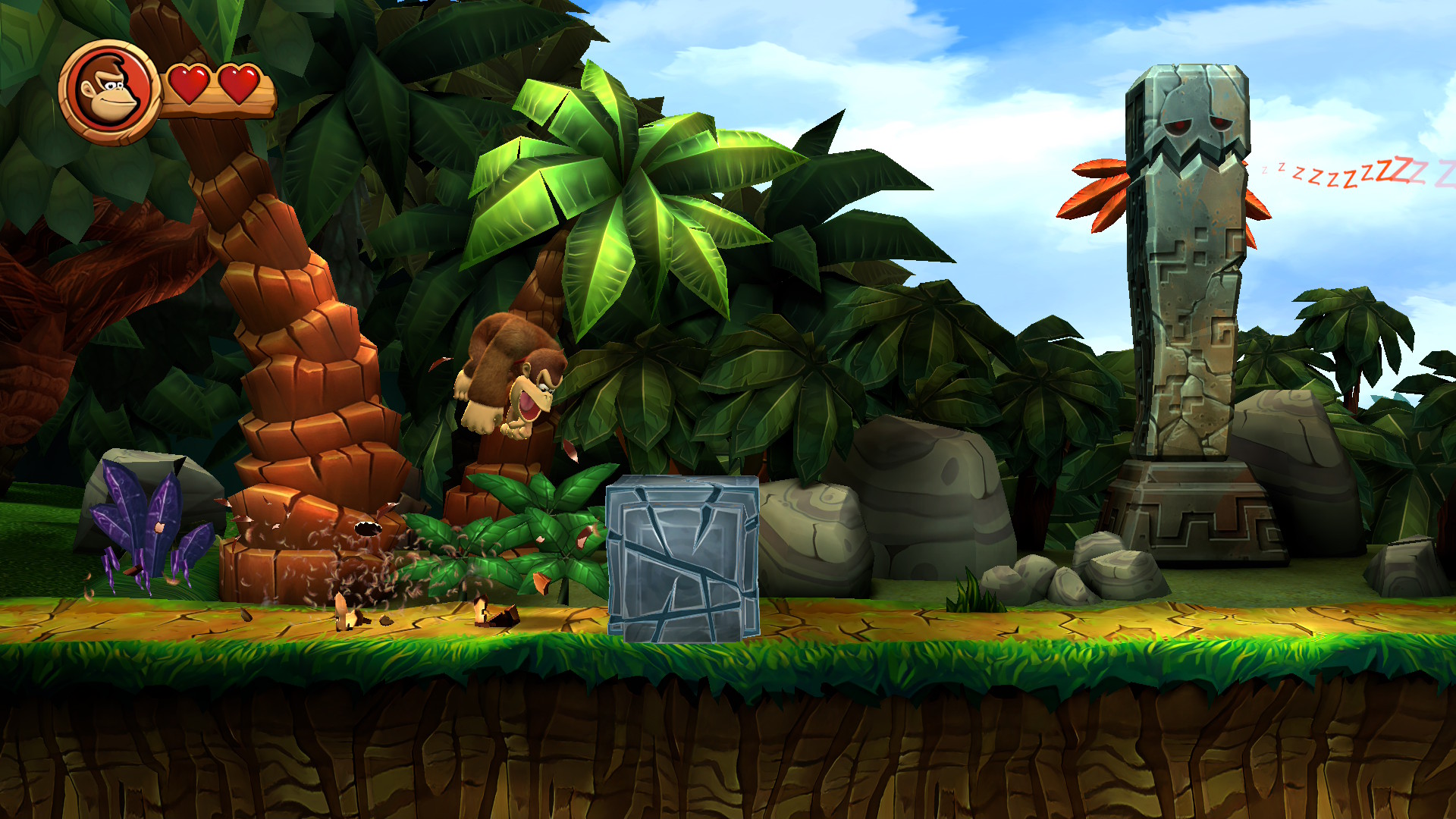
Donkey Kong Country jumps are peculiar. I control a gorilla, so of course the gravity feels heavy. I can’t jump far by default, but rolling and jumping is a different story. Timing jumps while landing on enemies is more essential than ever: there’s momentum that is hard to find and easy to lose. It’s all unforgiving: if I miss the next platform, there’s rarely room to recover. And sidekicks only help so much, so pulling off the hardest sequences is a great achievement.
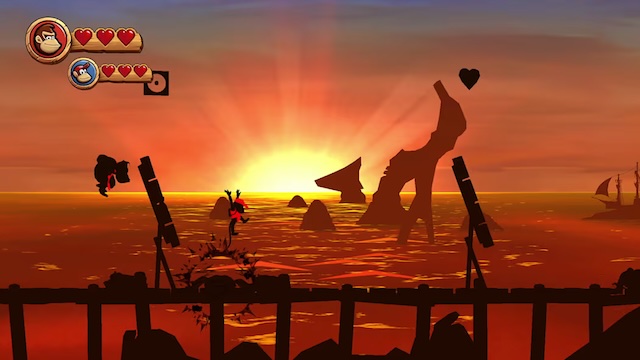
In soul album terms, Mario’s best platforming efforts remind me of Marvin Gaye’s playful layering in What’s Going On, while platforming groove in Donkey Kong Country Returns is closer to D’Angelo’s Brown Sugar. It relies on challenging drum programming, the undertones are buried deep down, there’s seemingly not much. But it still draws me in over time. Inevitably, Returns received its Voodoo in the form of Tropical Freeze, probably the best 2D platformer ever made. I can’t wait to talk about some time in the future, but for now, Brown Sugar it is.


